
Buyer GuidesUpdated Nov 5, 20263 min read
How to Buy Used JDM Parts Without Getting Burned
The checklist we'd want a friend to use when buying used parts from anyone, including us: photos, red flags by part, and payment that protects you.

1. Demand more photos than you think you need
Every angle. Mounting points. Threads. Wear surfaces. Serial stamps where they exist. A photo with a note showing today's date proves the seller has the part in hand right now.

2. Ask about the source
- Did the seller remove it, or buy it as-is?
- How many miles are on it?
- Why was it pulled?
A seller who can't answer these is flipping blind.

3. Condition red flags by part
- Coilovers: oil on the shaft or body usually means a leaking damper seal.
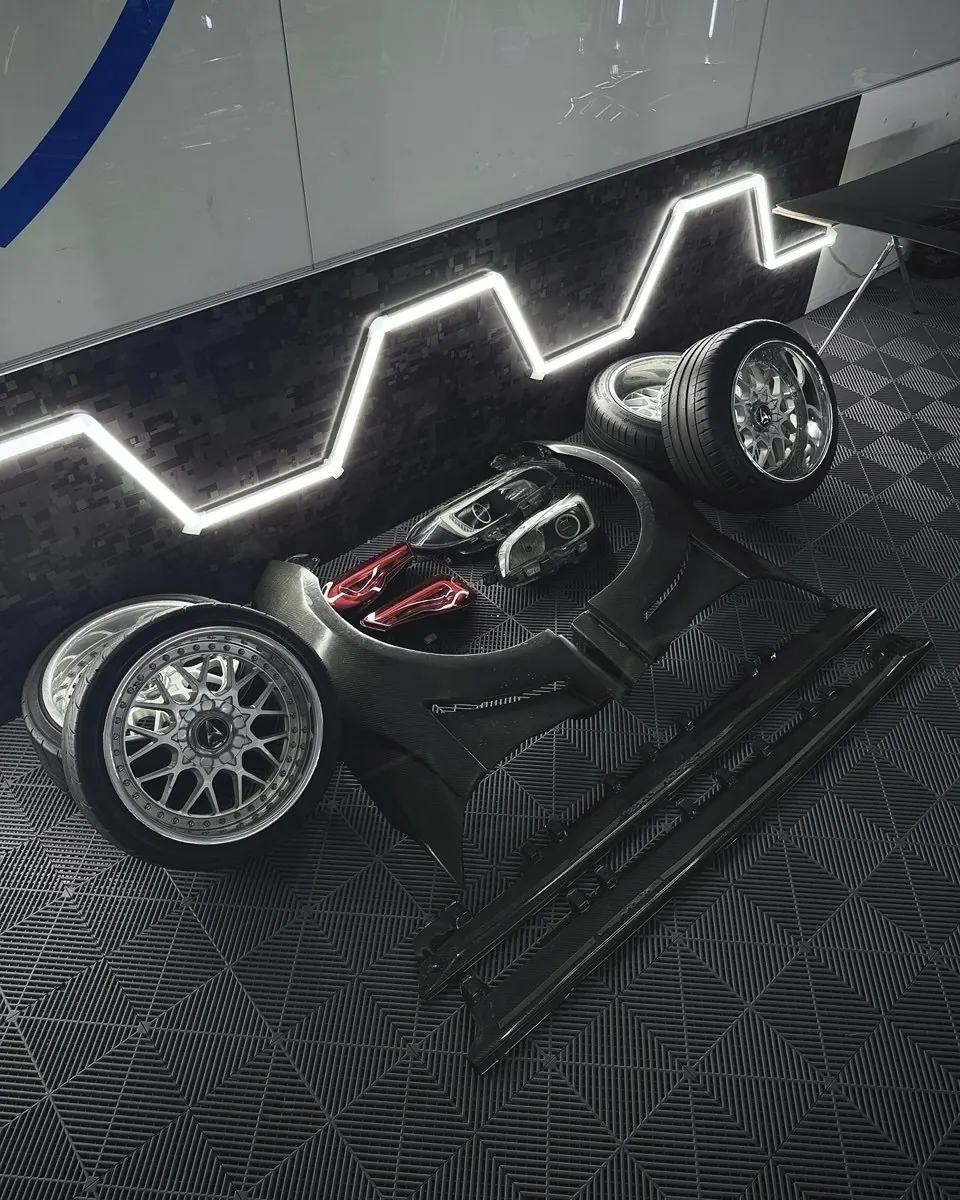
- Wheels: curb rash is usually cosmetic. Bends show up as flat spots or dents on the inner barrel. Ask for a spin video or a runout reading from a balancer.
- Aero: stress cracks around mounting points.
- Engines: rust in the spark plug wells means water got in. A milky oil cap can mean coolant in the oil, but it's often just condensation from short trips. A milky dipstick is the bigger warning.
- Turbos: in-and-out (axial) shaft play, wheels that touch the housing, scrape marks inside the housings, or heavy oil inside them. Some side-to-side play is normal on journal-bearing turbos.
4. Use payment that protects you
- Credit cards, including card payments through Shop Pay, let you dispute a charge with your card issuer.
- PayPal Goods & Services is covered by PayPal Purchase Protection. Items picked up in person don't qualify for "item not received" claims.
- Zelle, Venmo Friends & Family, Cash App and wire transfers give you essentially no protection. If a seller insists on these for a shipped part, walk.
5. Verify the seller exists
- A real address you can visit for pickup
- Recent posts and reviews on their social accounts
- A phone number that picks up